
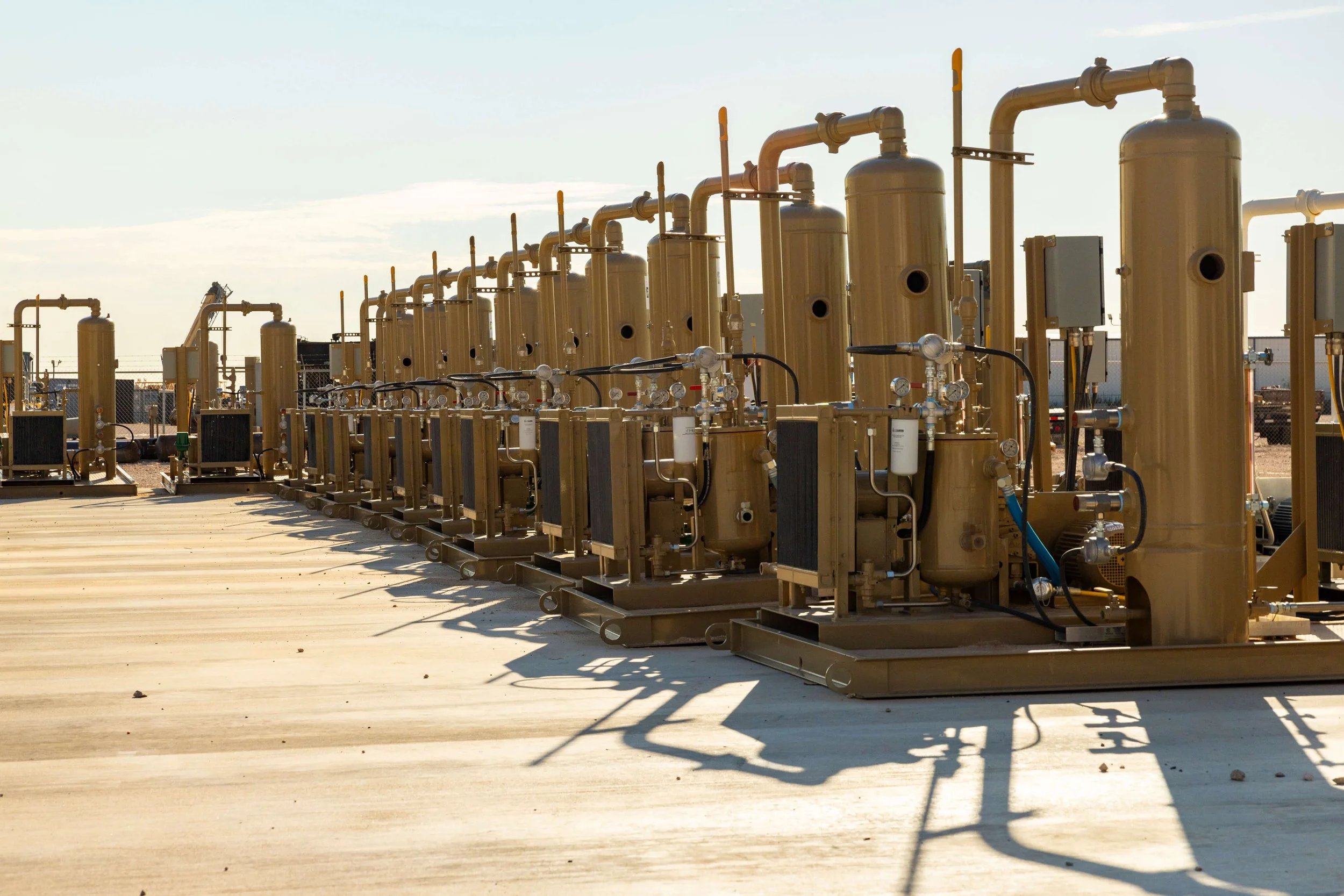
TECHNOLOGY → VRU SYSTEMS
Vapor recovery units engineered for your gas, your pad, and your operating conditions.
Platinum Control designs and builds VRU systems for oil and gas operators who need reliable gas capture, real uptime data, and accountable field support.
A VRU creates value when it is sized correctly, installed according to site conditions, and monitored continuously. Platinum designs vapor recovery systems around gas composition, flash gas and tank vapor volumes, flow swings, pressure conditions, pad layout, and capture goals – with PULSE telemetry providing runtime, uptime, and compressor health data from day one. Platinum Control engineers VRUs from 15 HP compact units to high-capacity systems north of 300 HP.
ENGINEERED FOR GAS COMPOSITION
Not generic assumptions
SIZED FOR REAL VAPOR LOADS
Flow, pressure, and flash gas
TRUSTED BY MAJOR E&PS
Deployed with the nation's largest operators, under the toughest conditions
PULSE DATA CONNECTED DAY ONE
Runtime, uptime, alarms, compressor health, and data to support decisions
SOLVING VRU PROBLEMS
Most VRU issues start before
the unit ever trips.
You can’t treat a VRU as a static skid. It’s a production asset with design assumptions, operating data, and performance targets.
When a VRU underperforms, the only thing most operators see is downtime. PULSE telemetry spots the underlying signal earlier – and Platinum dispatches a field tech before the issue escalates.
HOW VAPOR RECOVERY WORKS
A VRU captures low-pressure vapor and returns value to the system.
In oil and gas production, crude oil and condensate can release low-pressure hydrocarbon vapors from tanks and other sources. A vapor recovery unit captures those vapors, separates liquids, compresses the gas, and directs it to a sales line, compressor suction, gathering line, fuel gas system, or other approved destination.
WHAT A VRU HELPS DO
✓ Capture flash gas and tank vapors before they vent
✓ Reduce flaring by routing recovered gas to sales, fuel, or gathering
✓ Turn a compliance liability into a revenue-generating asset
✓ Support cleaner runtime and performance records
✓ Give operations and compliance a shared data trail
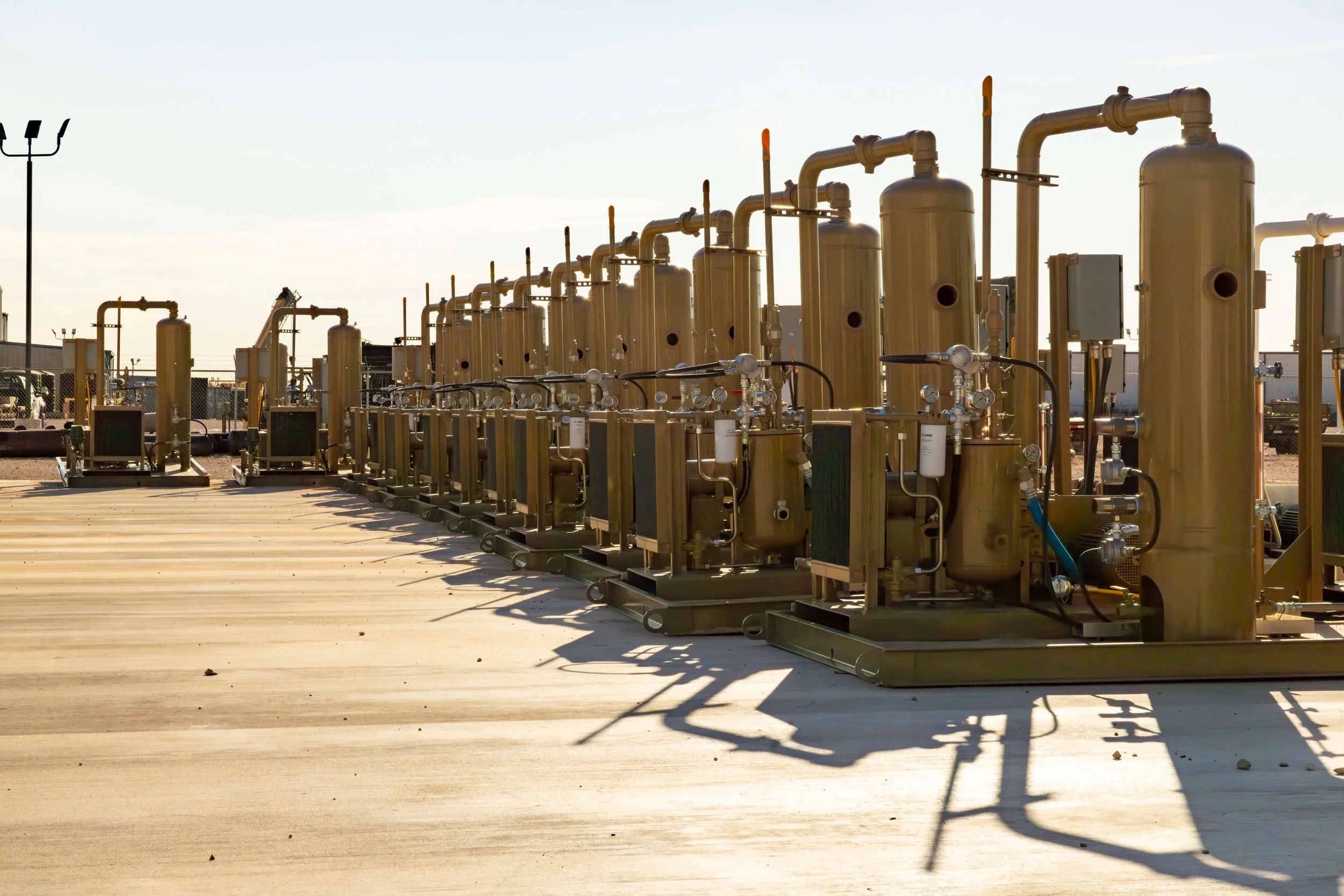
VRU ENGINEERING
The right VRU starts
with the right inputs.
01
Gas composition
Design starts with your actual gas analysis, not a generic assumption.
05
Pad layout
Physical layout, utilities, access, and tie-in points affect design, installation, serviceability, and uptime.
02
Flash gas and tank vapor volumes
System should reflect the vapor load profile that the pad is expected to generate.
06
Horsepower requirements
Right-sized horsepower helps reduce wasted capacity, unnecessary stress, and avoidable operating friction.
Platinum designs VRUs around the conditions that determine field performance. The goal is not to oversize the skid or force a standard package into a dynamic site. We match the system to the pad and give the operator visibility into how it performs over time.
03
Flow swings
Dynamic production conditions require equipment that can operate through changing flow behavior.
07
Capture goals
Every VRU deployment is tied to a clear recovery case and an operating plan that the site team can measure against Every VRU deployment is tied to a clear recovery case and an operating plan that the site team can measure against.
04
Pressure conditions
VRU performance depends on pressure realities at the tanks, compressor, and downstream destination.
08
PULSE visibility
Runtime, uptime, compressor health, alarm conditions, and maintenance history should be visible after startup.Runtime, uptime, compressor health, alarm conditions, and maintenance history should be visible after startup.
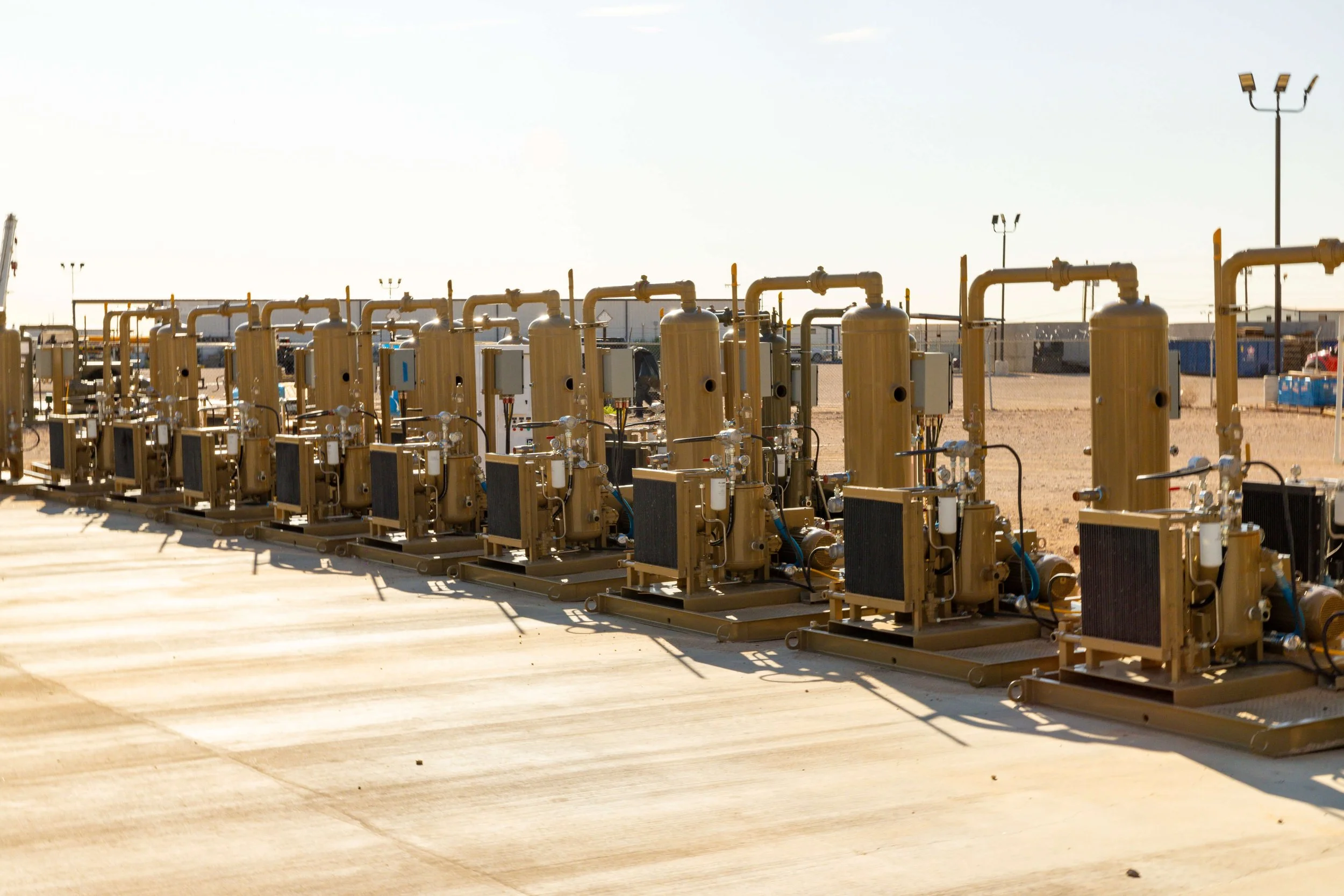
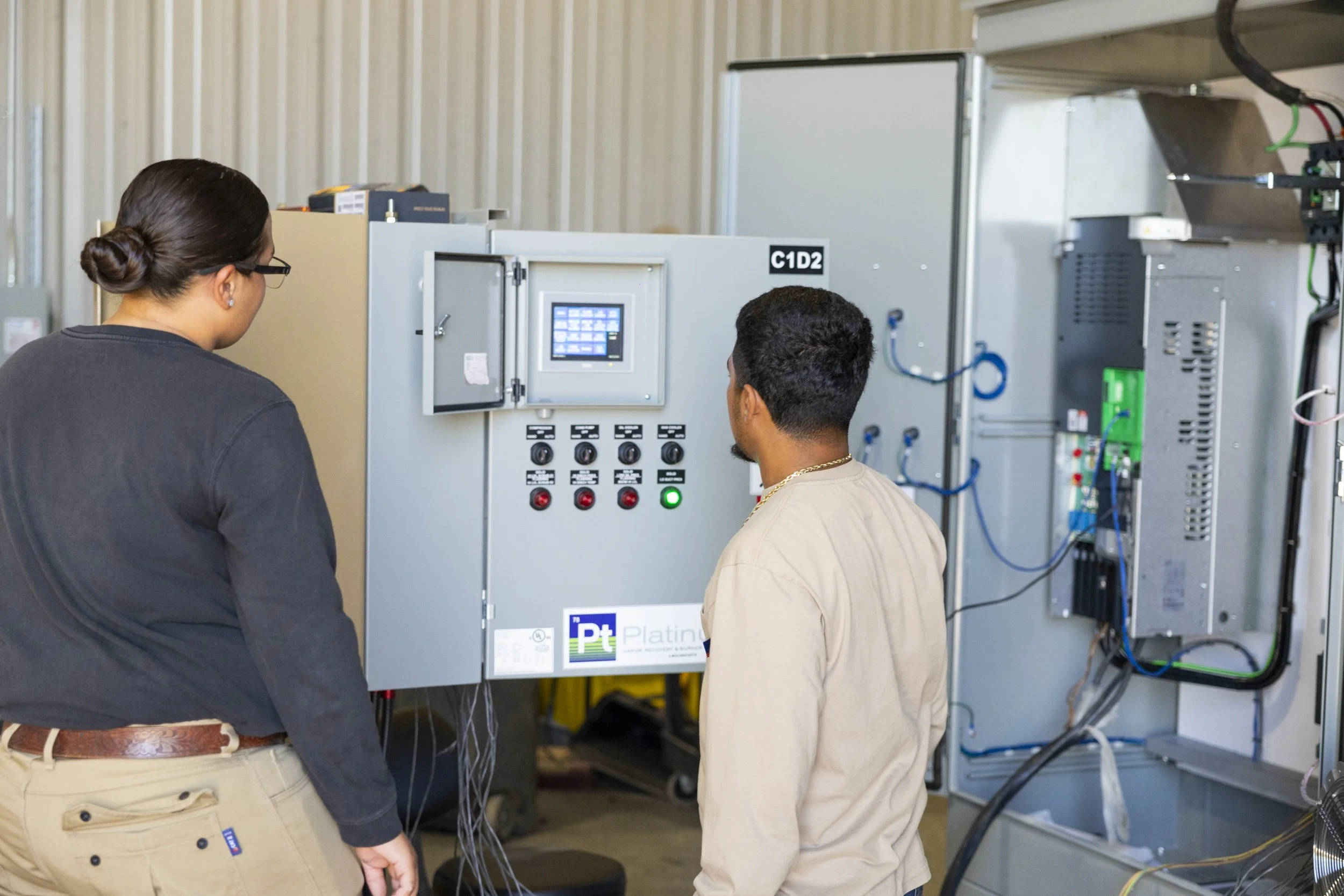
PULSE VISIBILITY
A VRU performs better when both teams can see what is happening.
WHAT PULSE HELPS TRACK
01 VRU runtime
02 Uptime
03 Compressor health indicators
04 Alarm and fault conditions
05 Operating conditions
06 Maintenance history tied to operating data
PULSE gives Platinum and the operator a shared view of VRU performance. Instead of waiting for a field complaint, manual check, or unexplained production issue, teams can review the data affecting vapor recovery performance at any time and implement predictive maintenance.
WHAT THAT SUPPORTS
01 Earlier performance conversations
02 Faster diagnosis
03 Better root-cause review
04 Clearer service history
05 Better decisions about resizing, reconfiguration, or replacement
BUILT FOR THE TEAMS EVALUATING VRU PERFORMANCE
One VRU decision affects operations, engineering, procurement, and compliance.
01
Production & Operations
Reduce avoidable downtime, capture more recoverable gas, and get clearer visibility into runtime and alarm patterns.
02
Facilities & Engineering
Evaluate VRU fit based on gas composition, pressure, flow swings, pad layout, horsepower, and instrumentation.
03
Procurement
Compare more than skid price. Evaluate lease vs purchase options, design for your pad conditions, including PULSE visibility, and Platinum’s accountability record after startup.
04
Compliance & Sustainability
Access VRU runtime data, service records, and emissions-related operating data through PULSE to support cleaner internal records and regulatory documentation.
THE PLATINUM APPROACH
Trusted by operators who
can’t afford downtime.
Engineered for real pads
01
Platinum VRUs are designed around the site conditions that drive performance in the field.
Built with PULSE visibility
02
The system is connected to PULSE telemetry, which helps operators view runtime, uptime, compressor health, alarms, and maintenance history.
Right-sized for operating reality
03
The goal is to match horsepower, flow, pressure, and vapor load to the actual recovery case.
Connected to accountable field support
04
When the data points to a performance issue, Platinum can connect the information to field techs who understand the equipment.
PROOF FROM THE FIELD
VRU design should match the operating profile.
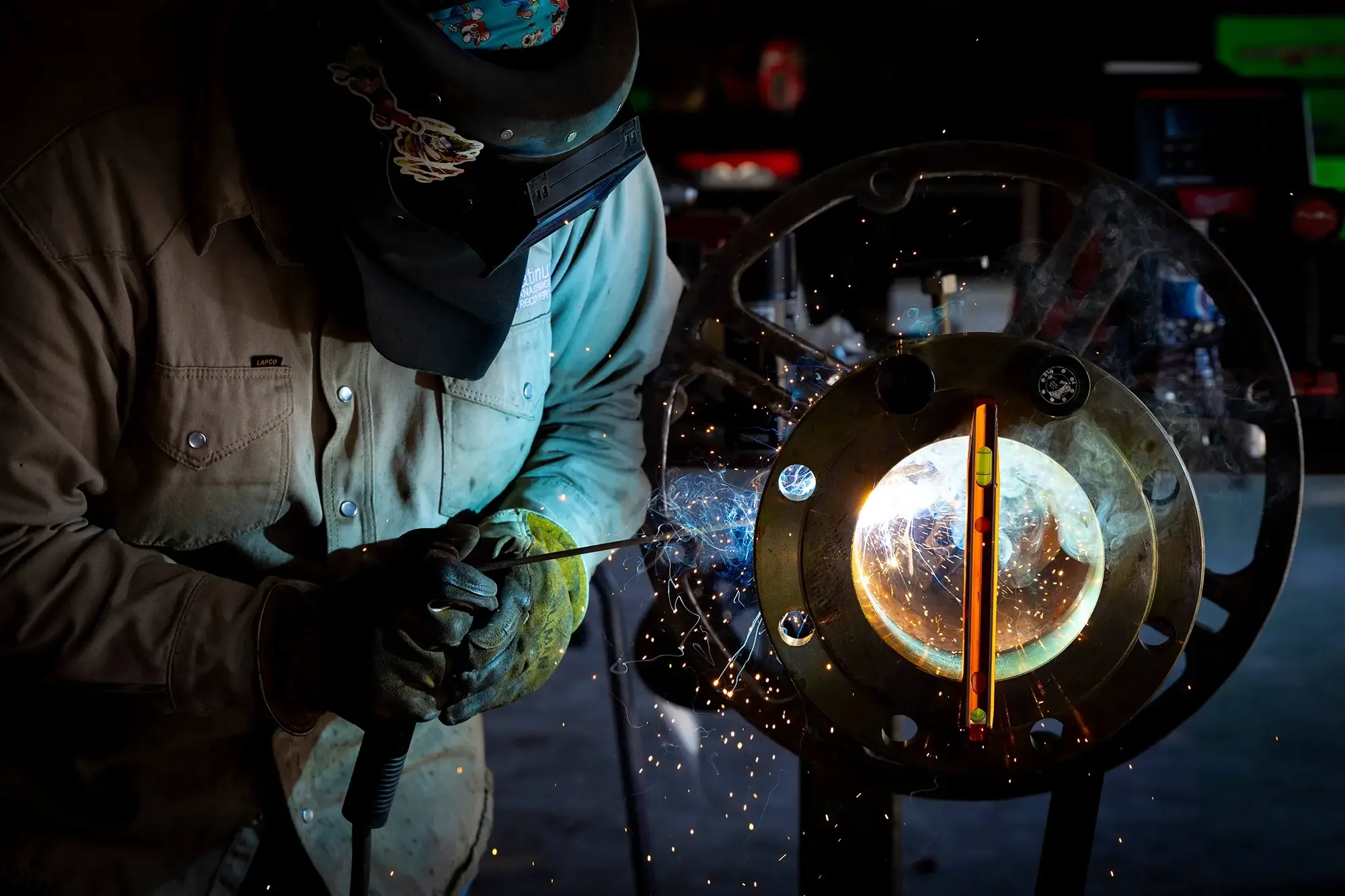
Modular VRU deployment
For a major operator managing rapid production growth, Platinum co-designed and delivered modular 300 HP VRU systems on a compressed timeline – units were operational before the client’s production schedule required gas capture.
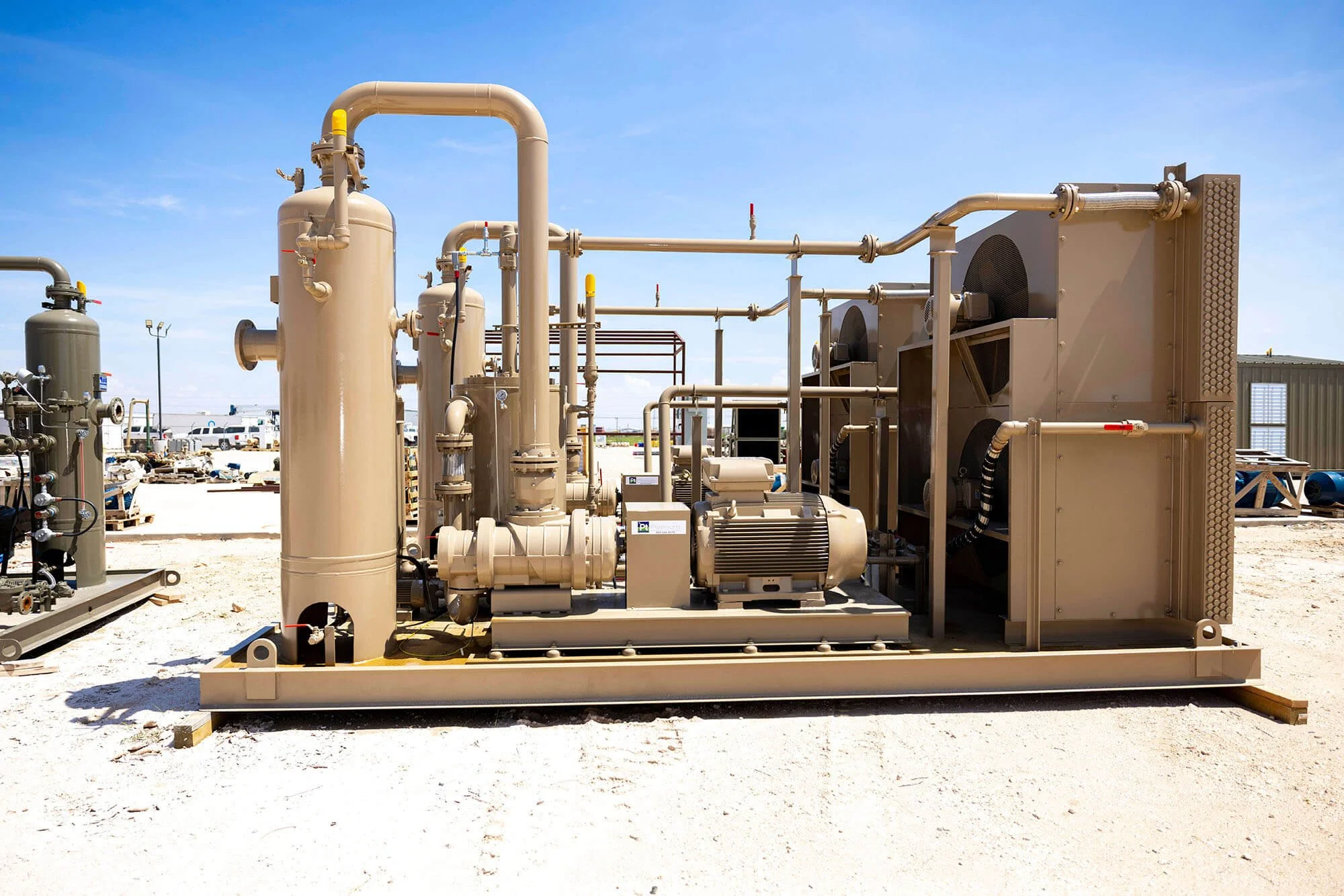
Right-sized horsepower configurations
For an operator evaluating VRU options, Platinum engineered 125-200 hp configurations designed to better fit the site and operating profile, with lower capital costs and improved runtime than larger competitor units.
FAQ
-
A vapor recovery unit, or VRU, captures low-pressure hydrocarbon vapors from tanks or other sources, compresses the gas, and directs it to a sales line, compressor suction, gathering line, fuel gas system, or other approved destination.
-
As produced fluids move into lower-pressure tanks, gas can flash out of the liquid. A VRU captures those vapors before they are vented or flared and moves them toward a productive outlet.
-
VRU sizing affects runtime, cycling, capture performance, compressor stress, maintenance burden, and uptime. A unit that is too large, too small, or poorly matched to vapor load behavior can underperform even if the skid itself is functional.
-
Operators should track runtime, uptime, alarm and fault conditions, compressor health indicators, pressure and operating conditions, maintenance history, and, where available, capture-related performance data.
-
PULSE gives operators and Platinum a shared view of VRU performance: runtime, availability, compressor health, alarms, and maintenance history. Teams identify issues earlier and act on them faster because the data is already in front of both sides.
-
An operator should review replacement, resizing, or reconfiguration when a VRU has recurring downtime, poor capture performance, repeated alarms, unstable cycling, changing vapor loads, rising maintenance costs, or a mismatch between the unit and current pad conditions.
-
A VRU only captures vapor when it’s running. Increased uptime means more consistent gas capture and a cleaner performance record. Every hour of unplanned downtime means lost gas, potential emissions, fines, and revenue left on the pad.
-
Platinum engineers VRUs around real site conditions and connects performance to PULSE visibility. The focus is not just equipment delivery; it is system fit, operating visibility, and accountability after startup.
VRU questions operators ask before buying, resizing, or replacing.
GET STARTED
Start with the pad,
not the skid.
Before you buy, replace, resize, or reconfigure a VRU, review the site conditions that determine performance: gas composition, vapor load, pressure, flow swings, pad layout, capture goals, uptime targets, and PULSE visibility.