
TEXAS VAPOR RECOVERY
VRUs Built For Texas Pads. Backed By People Who Know The Permian.
Engineering
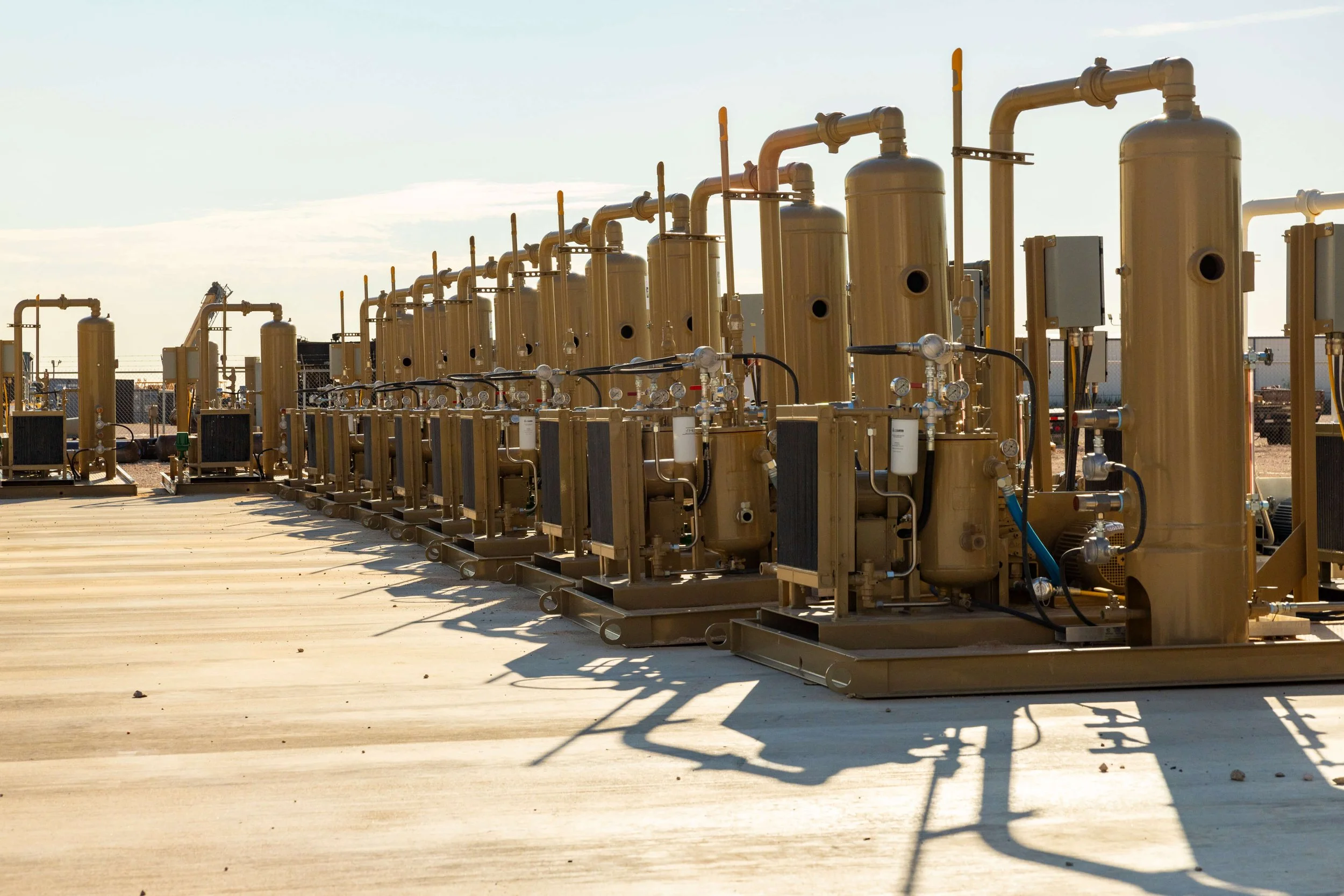
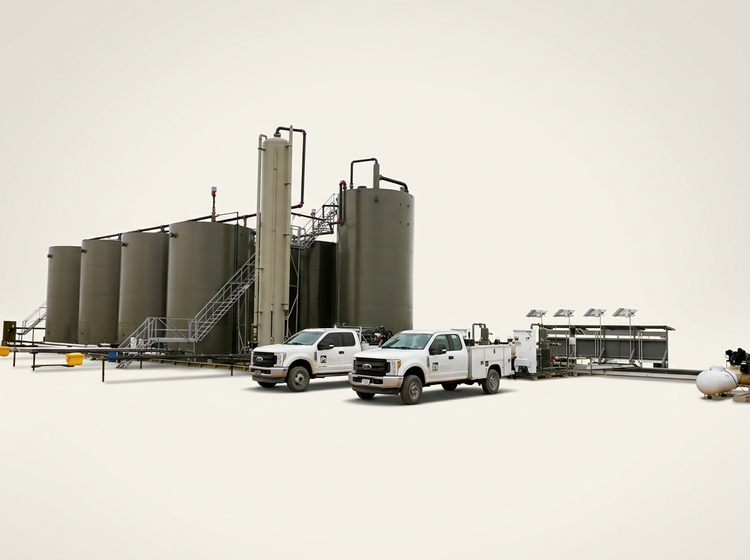
Platinum Control designs, builds, leases, sells, deploys, monitors, and services vapor recovery units for Texas oil and gas operators. Each system is engineered around the site's gas, pressure, flow, layout, and recovery goals, then connected to PULSE so that equipment data can drive field action.
PULSE Telemetry Visibility
Gas composition, vapor load, pressure, flow swings, horsepower, and pad layout
MIXED-FLEET SERVICE
Support for Platinum-built and third-party VRUs
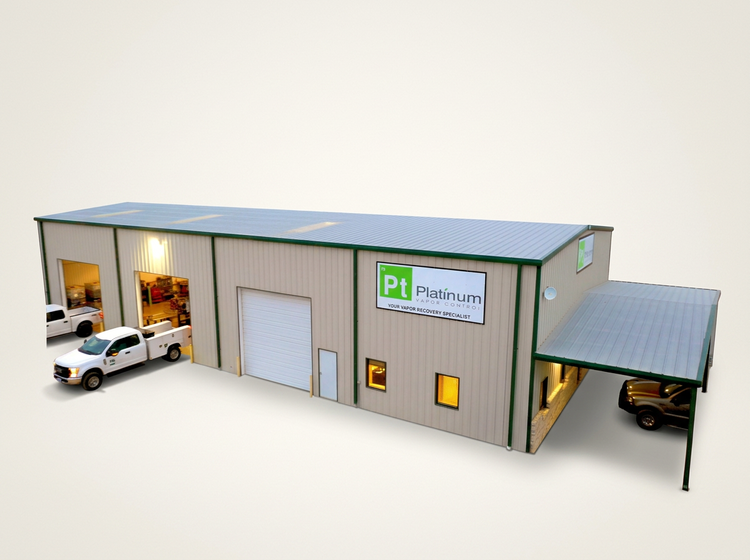
MIDLAND, TEXAS ROOTS
Built around the realities of Permian operations

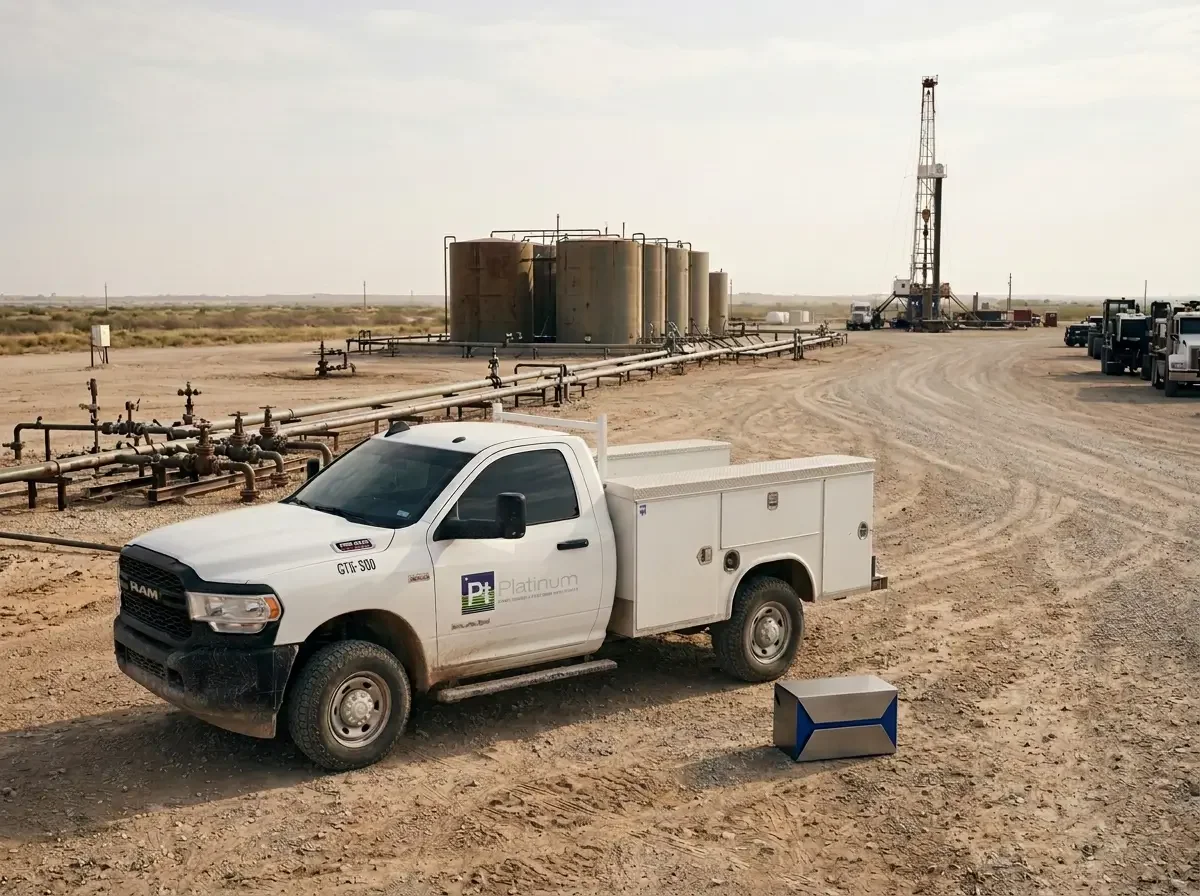
Texas Production Doesn’t Wait For A Vendor.
A VRU problem is rarely just a maintenance problem. It can mean lost gas, lost revenue, added emissions exposure, and another issue for an already stretched field team.
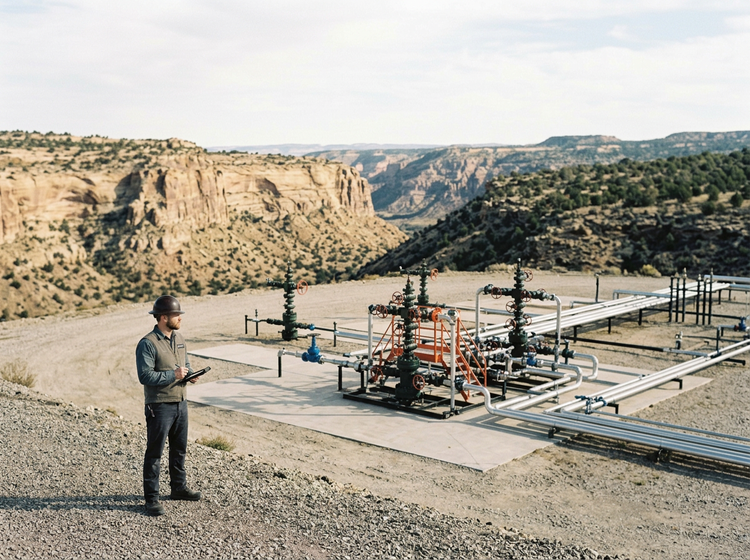
Texas pads also vary widely. Gas composition changes. Vapor volumes rise and fall. Pressure conditions shift. A skid selected from a standard chart may struggle if its design assumptions don’t match the site conditions.
Platinum starts with the operating conditions, not the equipment catalog. The goal is a vapor recovery system that fits the pad, produces useful performance data, and has an accountable team behind it.
One Team From Design Through Field Performance.
01 Design And Build
Engineer the VRU around actual gas analysis, flash gas and tank vapor volumes, pressure conditions, flow swings, pad layout, horsepower requirements, and capture goals. Platinum engineers systems from compact 15 HP units to high-capacity systems above 300 HP.
02 Lease or Purchase
Compare acquisition options against expected use, production profile, capital priorities, and lifecycle economics. The right commercial structure should fit the operating plan, not force the operating plan to fit the contract.
03 Deploy & Commission
Coordinate installation, startup checks, controls, telemetry, and confirmation that the system is operating within its intended design conditions.
04 Monitor With PULSE
Give operations and Platinum a shared view of availability, compressor health, alarm conditions, operating trends, and maintenance history.
05 Service The Full Fleet
Support Platinum-owned and third-party units with inspection, troubleshooting, preventive maintenance, repair, performance review, and root-cause analysis.
Built For The People Carrying The Consequences.
PRODUCTION & OPERATIONS
Reduce avoidable downtime, recover more usable gas, and get faster clarity when performance changes.
FACILITIES & ENGINEERING
Evaluate system fit based on the inputs that drive field performance, not on a generic horsepower recommendation.
PROCUREMENT & SUPPLY CHAIN
Compare lease and purchase options, service accountability, telemetry, and lifecycle economics alongside equipment price.
COMPLIANCE & ENVIRONMENTAL
Use runtime, alarm, service, and operating records to support cleaner internal documentation and more informed compliance conversations.
Texas VRU FAQ
What does a vapor recovery unit do at a Texas oil and gas site?
A VRU captures low-pressure hydrocarbon vapors from tanks or other sources, separates liquids, compresses the gas, and routes it to a sales line, compressor suction, gathering line, fuel system, or another approved destination.
What information is needed to size a VRU?
The engineering review should include gas composition, expected vapor volumes, production variability, tank and downstream pressures, pad layout, power, controls, tie-in points, and future operating plans.
Does Platinum provide new VRUs or only field service?
Both. Platinum designs and builds custom VRUs, supports lease and purchase evaluations, coordinates deployment and commissioning, connects equipment to PULSE, and services both Platinum and third-party units.
Can Platinum service a VRU built by another company?
Yes. Platinum supports third-party and mixed VRU fleets with inspection, troubleshooting, maintenance, performance review, and upgrade recommendations. Eligible units can also be connected to PULSE.
Can a VRU support Texas air compliance?
A properly designed and operated VRU can be part of a site's emissions-control strategy. Applicable authorization, control efficiency, testing, monitoring, and recordkeeping requirements depend on the facility and permit pathway, so operators should confirm requirements with their environmental team.