
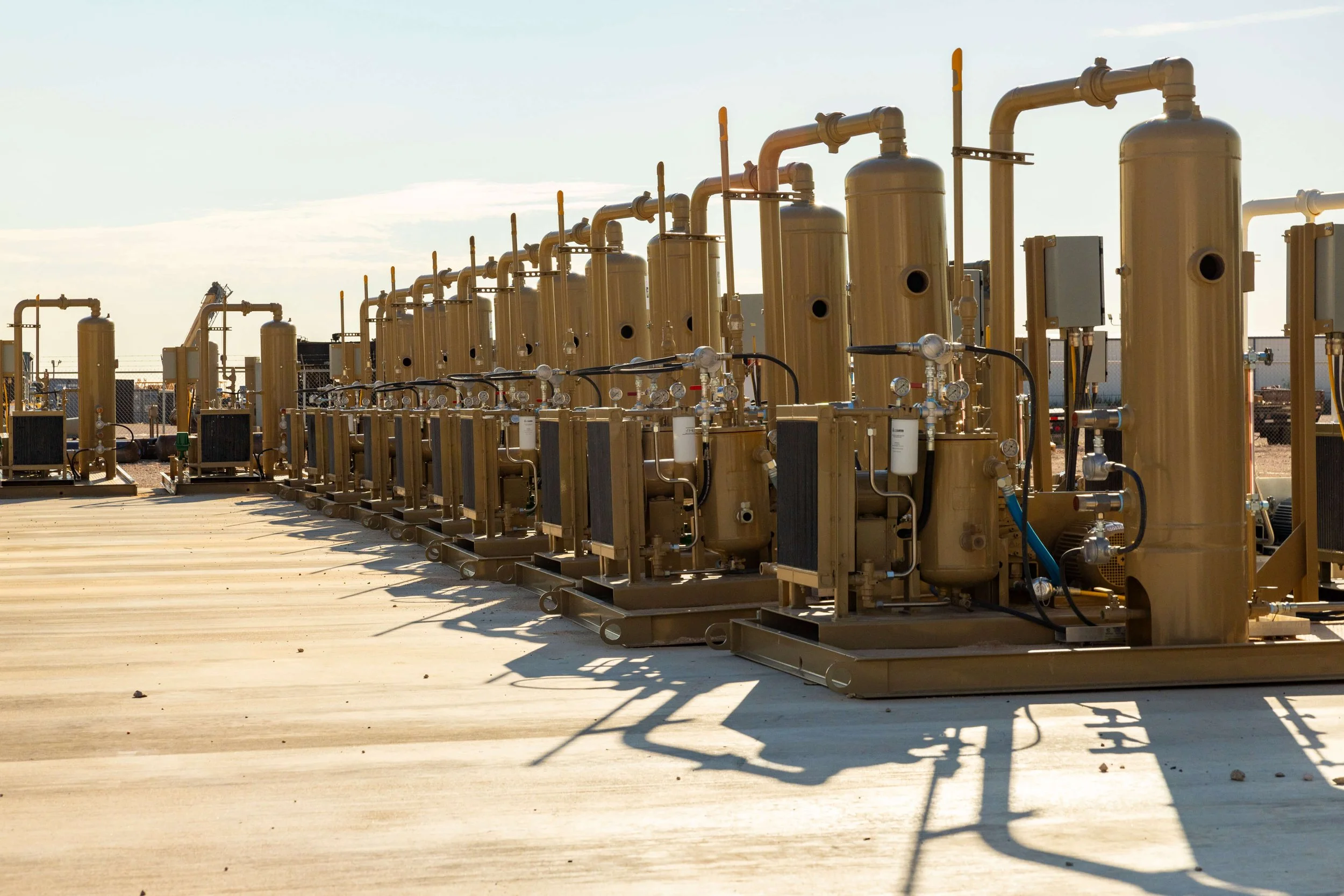
NEW MEXICO VAPOR RECOVERY
Capture More Gas in New Mexico. Know How Your VRUs Are Performing.
New Mexico Has Made
Gas Capture An Operating Priority.
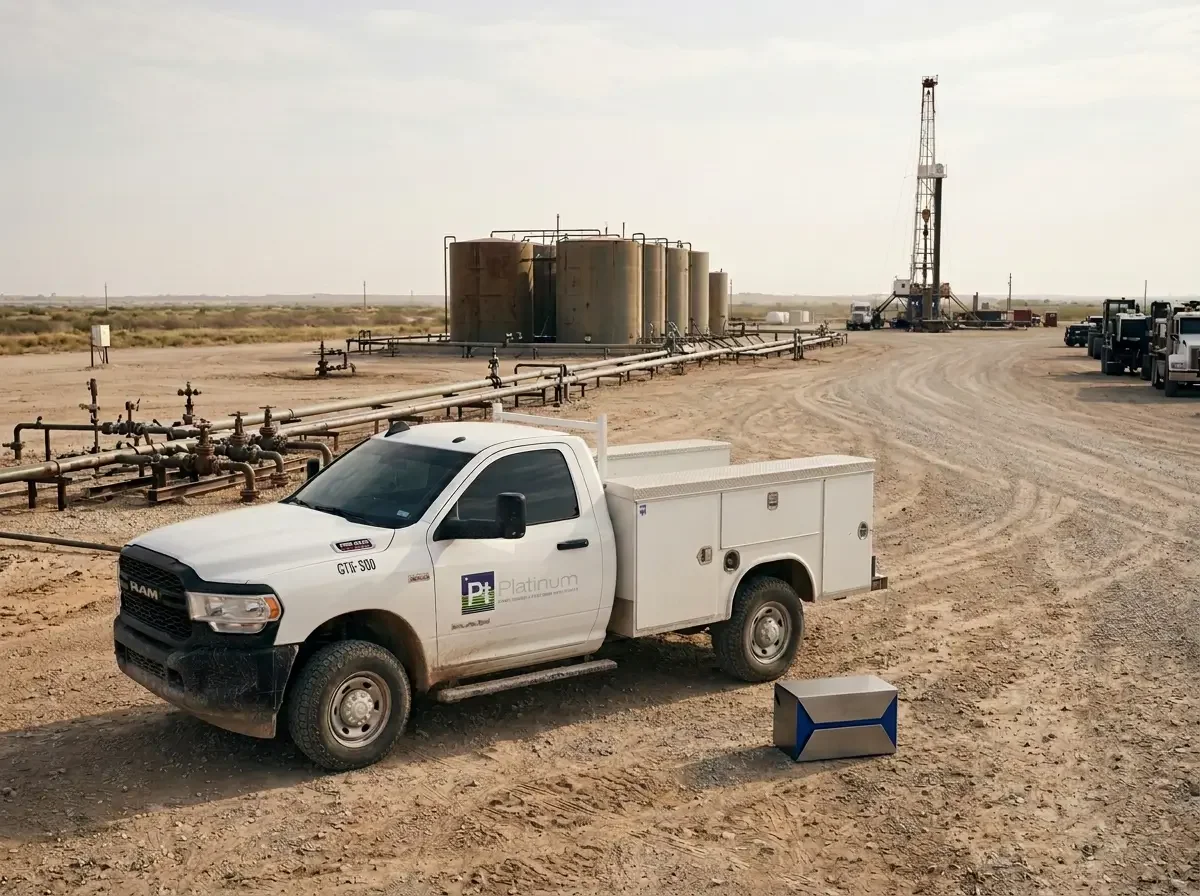
New Mexico's natural gas waste rules prohibit routine venting and flaring and require operators to reach a 98% gas-capture target by December 31, 2026. The state's Ozone Precursor Pollutants rule also sets standards for VOC and NOx emissions from covered oil and gas operations.
01
That makes VRU performance more than an equipment issue. When a unit is poorly sized, repeatedly trips, or runs without useful performance visibility, operations, economics, and environmental documentation can all be affected.
02
Platinum connects custom engineering, PULSE telemetry, and field service so teams can see what is happening, act sooner, and make better-informed decisions about the fleet.
03
VRU Engineering
Platinum Control designs, builds, leases, sells, deploys, monitors, and services vapor recovery units for oil and gas operators in New Mexico. The work starts with your real site conditions and continues through PULSE visibility, field support, and the operating records needed to manage performance over time.
All of your VRU systems are connected to PULSE, so your equipment data can drive field action.
VRU DESIGN
Built around your gas, flow, pressure, and pad conditions
GAS-CAPTURE FOCUS
Recovery economics and operating performance considered together
PULSE TELEMETRY VISIBILITY
Data connected to diagnosis and service: runtime, availability, alarms, and maintenance history
ACCOUNTABLE SUPPORT
Service for Platinum and third-party equipment

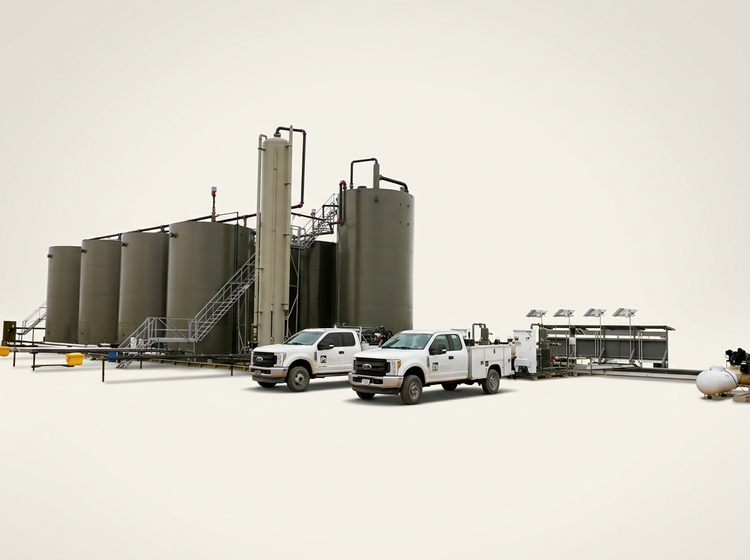
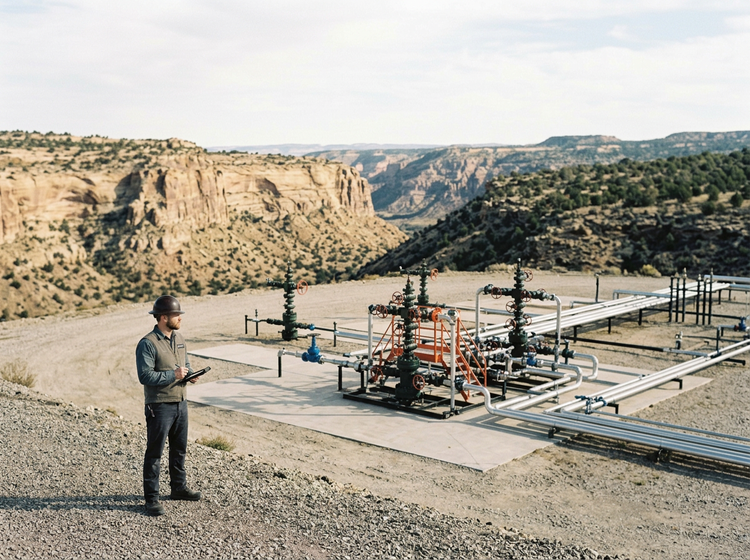
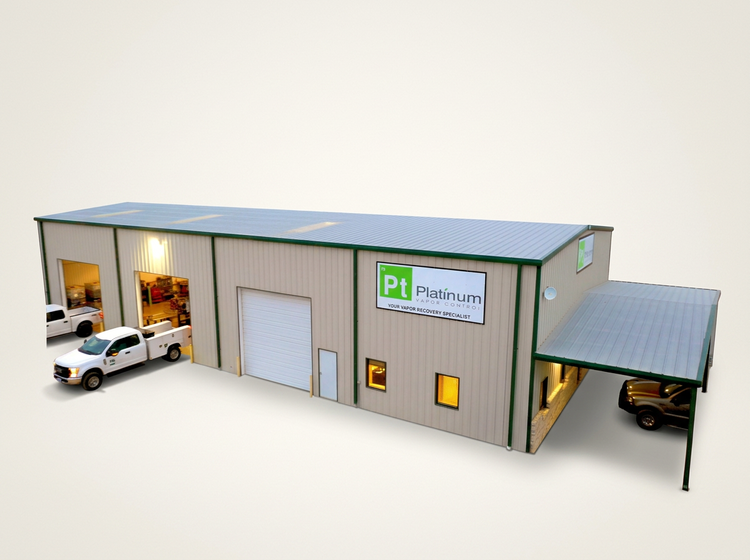
Full-Lifecycle VRU Support For New Mexico Operators.
01 Engineered For Your Operating Profile
Engineer the VRU around actual gas analysis, flash gas and tank vapor volumes, pressure conditions, flow swings, pad layout, horsepower requirements, and capture goals. Platinum engineers systems from compact 15 HP units to high-capacity systems above 300 HP.
02 Choose Lease or Purchase
Compare lease and purchase options against production plans, capital priorities, operating risk, service expectations, and lifecycle economics.
03 Deploy & Commission with Full Visibility
Coordinate startup, controls, telemetry, and operational checks so the VRU begins service with both teams viewing the same performance picture.
04 Connect Data To Field Action
Use operating data to give technicians context before the service call and help teams move from repeated resets toward root-cause review.
05 Supporting all of Your VRUs
Inspect, troubleshoot, maintain, and review Platinum-built and third-party VRUs. Use field findings and operating data to address the cause, not just the alarm. Clients rely on PULSE to support:
✓ Earlier issue detection
✓ Root-cause analysis
✓ Performance review across mixed fleets
✓ Better service preparation
✓ Preventive maintenance planning
✓ Decisions about resizing or replacement
Built For Delaware Basin Conditions And New Mexico Requirements.
For operators in Lea and Eddy counties, site engineering and gas-capture planning need to work together. New Mexico's Ozone Precursor Pollutants rule applies in designated counties, including Lea and Eddy, while the statewide Natural Gas Waste Rules establish gas-capture and reporting obligations for upstream and midstream operators.
Platinum can help the operating team evaluate the equipment and data behind the capture strategy. That includes system fit, uptime patterns, alarms, maintenance history, operating conditions, and whether the current VRU should be repaired, resized, reconfigured, or replaced.
A NEW MEXICO VRU REVIEW CAN INCLUDE:
✓ Gas composition and vapor-load profile
✓ Tank, compressor, and downstream pressure
✓ Minimum and maximum expected flow
✓ Current runtime and availability
✓ Alarm, trip, and cycling history
✓ Maintenance and repeat-failure patterns
✓ Backup or redundancy considerations defined by the operator
✓ PULSE telemetry and reporting needs
✓ Recovery economics and acquisition options
Give Every Decision-Maker The Information They Need.
PRODUCTION & OPERATIONS
See where downtime, cycling, and recurring faults are affecting gas recovery and field workload.
FACILITIES & ENGINEERING
Match system design to your actual gas, pressure, flow, controls, and physical site conditions.
PROCUREMENT & SUPPLY CHAIN
Compare equipment, telemetry, service coverage, contract terms, and total lifecycle responsibility.
COMPLIANCE & ENVIRONMENTAL
Use runtime, alarm, service, and maintenance records to support internal gas-capture tracking and regulatory documentation.
Colorado VRU FAQ
What is New Mexico's 2026 gas-capture requirement?
New Mexico's Natural Gas Waste Rules require covered upstream and midstream operators to capture at least 98% of produced or gathered natural gas by December 31, 2026. Operators should confirm their individual schedule, reporting area, and compliance obligations with the New Mexico Oil Conservation Division and their environmental team.
Does the New Mexico Ozone Precursor Pollutants rule apply statewide?
No. The rule applies to covered oil and gas operations in designated counties, including Lea and Eddy, while the Natural Gas Waste Rules establish statewide requirements for upstream and midstream operators.
How can a VRU support gas capture?
Yes. Colorado Regulation 7 addresses methane and VOC emissions from oil and gas operations. CDPHE also provides guidance for storage tanks, vapor control systems, compliance, recordkeeping, and annual tank-control reporting.
Does Platinum only provide new equipment?
No. Platinum designs and builds custom VRUs, supports lease and purchase decisions, coordinates deployment, connects equipment to PULSE, and services both Platinum and third-party units.
How does PULSE help operators demonstrate 98% VRU uptime?
PULSE tracks VRU operating time and reports the volume of gas captured, giving operators visibility into equipment performance and the data needed to document uptime and support compliance reporting.
What should an operator review if a VRU repeatedly trips?
Review gas composition, vapor load, pressure conditions, flow swings, controls, alarm history, maintenance history, downstream constraints, and whether the unit remains correctly sized for current production.